Research and Collections
Our planet is filled with striking natural diversity, both geological and biological. There is still much we do not know about how this diversity originated and how it changes over time.
With our research, we seek to find answers to many of these questions. How were new species, rocks, and minerals formed? How many species exist? How did extinct species live? How will global biodiversity be affected by climate change? Can we find new and sustainable ways to use natural resources?
Our collections are archives of biodiversity and are used by researchers and students around the world. They include everything from mammal skulls, wildflower seeds, and gold nuggets to DNA and sperm samples.
Our master’s students and PhD candidates have access to a wide range of specimens and play an active role in expanding our collections through fieldwork. They are supervised by leading researchers and take part in the museum’s activities. The combination of academic study and hands-on experience provides valuable learning.
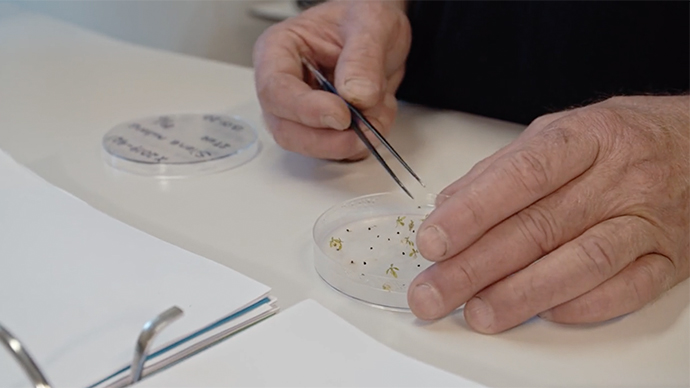
Research
Behind the scenes at the museum, more than 70 researchers are studying biological and geological diversity and the processes behind the planet’s vast variety of life and landscapes.

Our Scientific Collections
The collections are archives of natural diversity and are used by scientists and student all over the world. From mammal skulls, wildflower seeds, and gold nuggets to DNA and sperm samples – and the collection is growing.

Study at NHM
Our students have access to a wide range of specimens and contribute to expanding our collections through fieldwork. They are supervised by leading researchers and actively participate in the museum’s activities.
About our research
-
Fossile ribbein avslører nye hemmeligheter om fiskeøglenes svømmeteknikk Aug. 24, 2026 5:17 PM
-
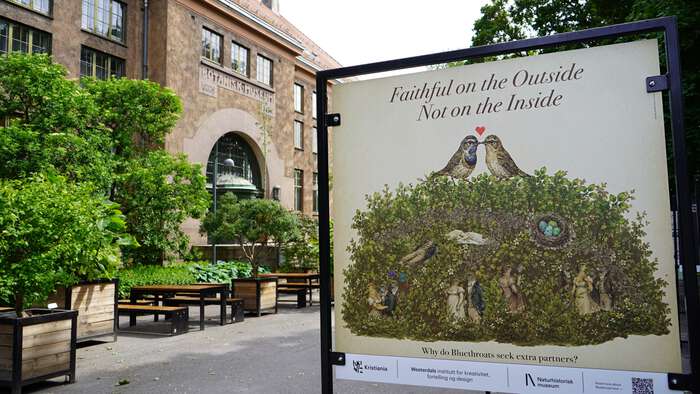
Forskningsformidling som kunstplakat July 20, 2026 12:39 PM
-
Hvor vondt vil blomsten lukte? June 30, 2026 11:29 AM

Scientific events and courses
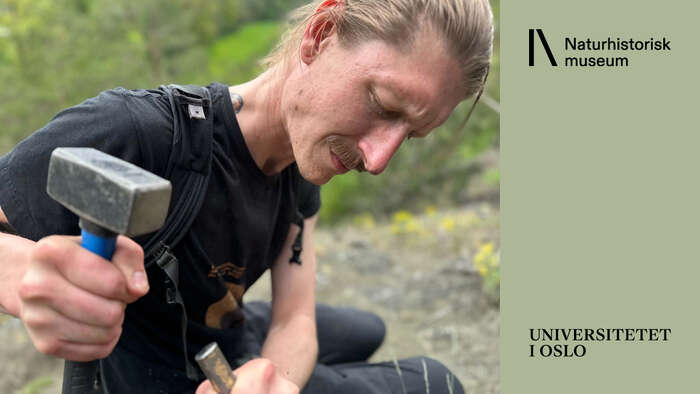
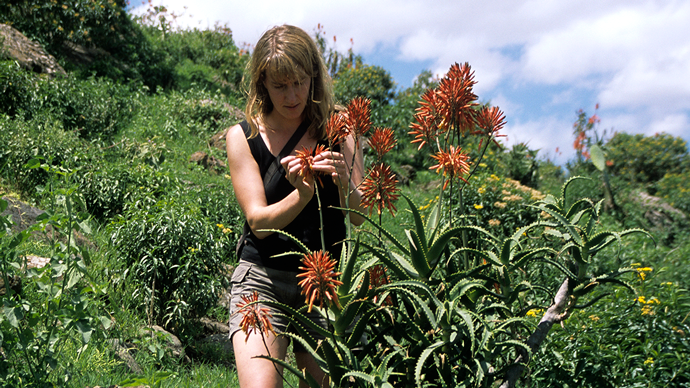
Scientists in the field
Many of our scientists regularly conduct field work in different parts of the world to collect data for their research projects. Get out and about, to the rainforests of Brazil or the Arctic sea ice cover, and see how our researchers work to gain knowledge about nature.