Courses
Upcoming
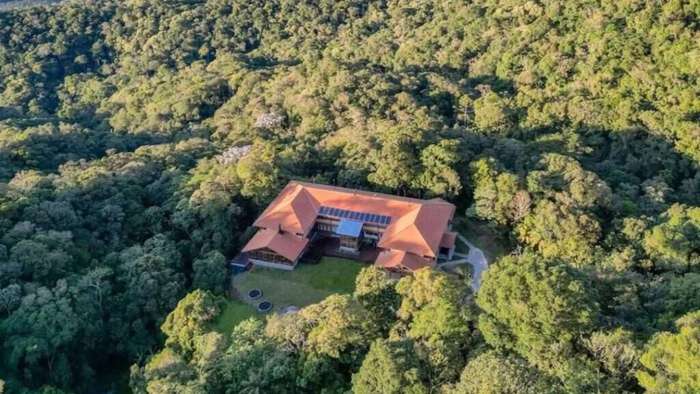
Organised in the framework of the MARLIN project, this course offers a practical introduction to molecular phylogenetic methods. Participants will learn how to design and run phylogenetic analyses based on molecular data and interpret the results in an evolutionary context.
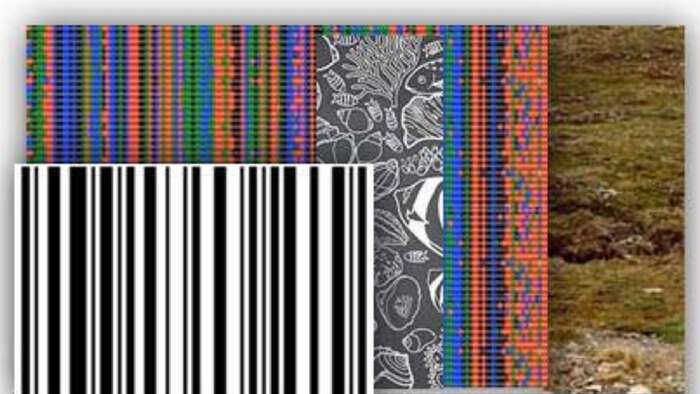
This course provides an introduction to DNA metabarcoding as a tool for biodiversity assessment, with a particular focus on data processing and interpretation. Through a combination of lectures and computer-based practicals, participants will learn to analyse metabarcoding data using OBITools and R, while gaining insight into experimental design, sampling, and sequencing strategies. The course is organised by the Arctic University Museum of Norway (UiT) in collaboration with the MARLIN project and BIOCORE.
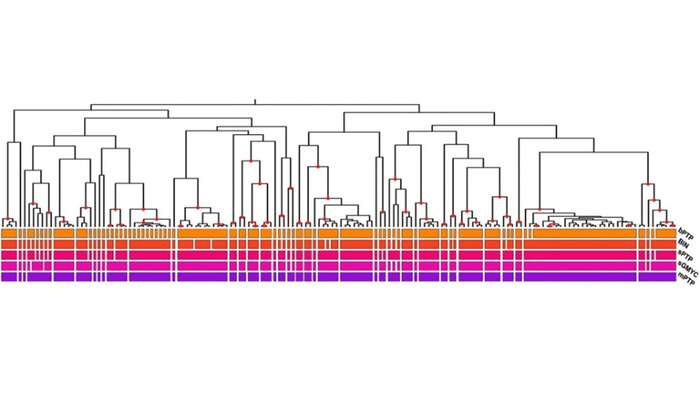
This BIOCORE course in collaboration with BGE+ offers a practical introduction to DNA barcoding in biodiversity research and management.

Learn how to develop and deliver a clear, engaging scientific presentation. This Collaborative Online International Learning (COIL) course is co-taught with the Federal University of Pará, Brazil, and brings together MSc students from Norway and Brazil to prepare a 15-minute talk based on their own research projects.
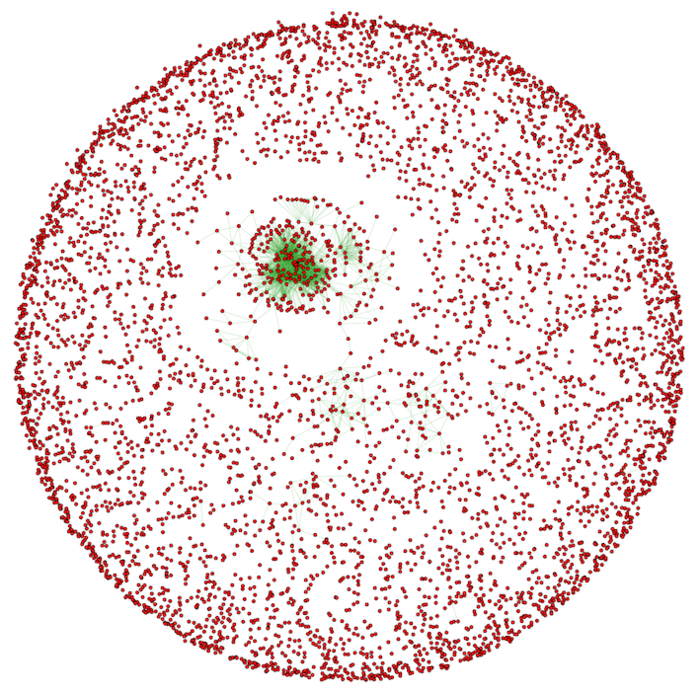
This course introduces bioinformatic approaches used in environmental DNA metabarcoding, from processing raw sequence data to creating OTU/sample matrices and assigning taxonomic identities to sequences. Participants will gain practical experience with key tools and workflows used in environmental DNA sequencing analysis. The course is offered in collaboration with the Department of Biosciences at the University of Oslo.
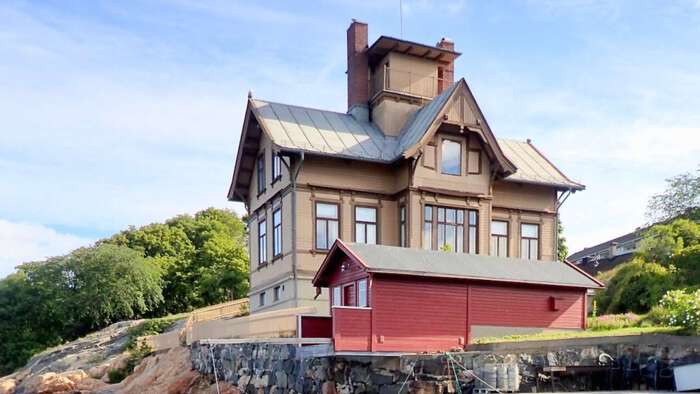
Aimed at PhD students working with environmental DNA and marine biodiversity, this course focuses on how to assess and supervise the research of others. Organised by the University of Oslo (UiO) and Universidade Federal do Pará (UFPA) in collaboration with BIOCORE, it combines a preparatory module in Norway with an intensive module in Brazil, where participants practice supervision and feedback with MSc students.
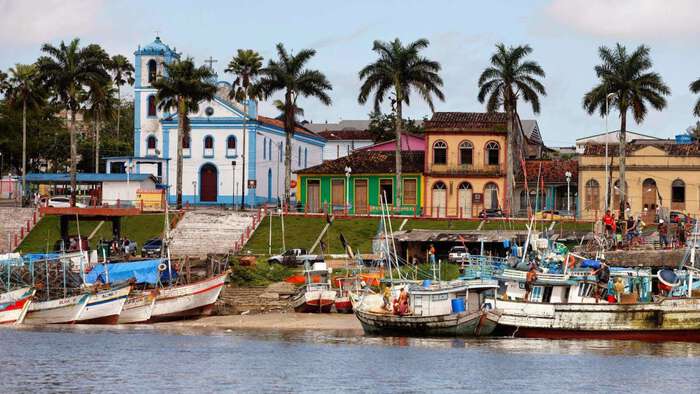
This MSc course, held in Bragança in northern Brazil, brings together students from Norway and Brazil to use environmental DNA (eDNA) to monitor marine fisheries and fish farm health. Bragança’s proximity to fish markets, mangroves, and productive coastal waters with active fisheries and aquaculture makes it an ideal living laboratory for this course. The course combines hands-on metabarcoding training with a strong focus on intercultural collaboration, preparing students for work in international biodiversity research and management.
Previous
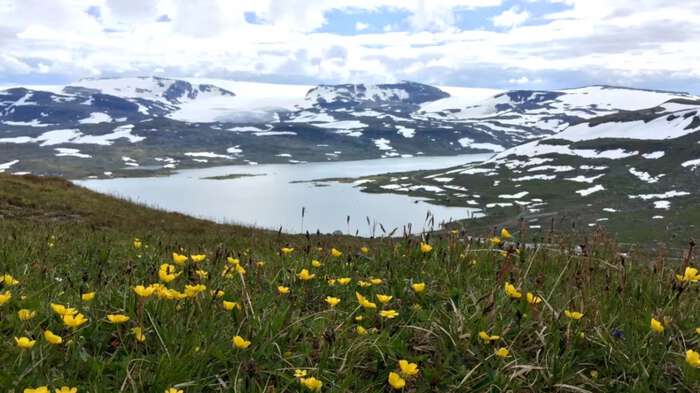
This hands-on course provides practical training in open, reproducible, and transparent research in ecology, with a focus on R, GitHub, and FAIR data practices. It is offered in collaboration between BIOCORE, Living Norway, the University of Bergen (UiB), GBIF Norway, Nord University, NINA, NTNU, and the University of Oslo (UiO).
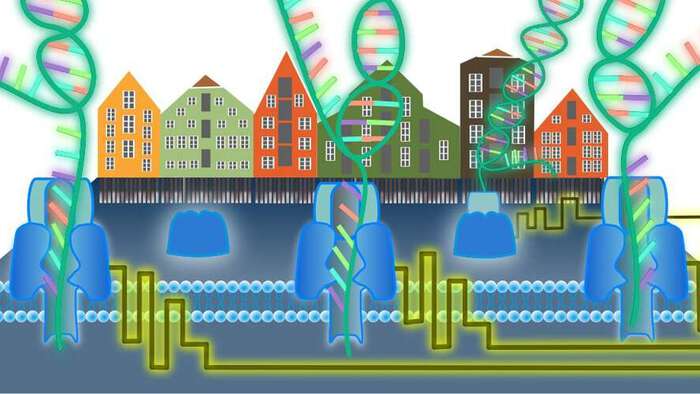
In collaboration with Biodiversity Genomics Europe, BIOCORE offers a four-day course on DNA barcoding using the ONT MinION. The course combines theory, hands-on lab work, and data analysis, and will be held at NTNU in Trondheim, Norway.
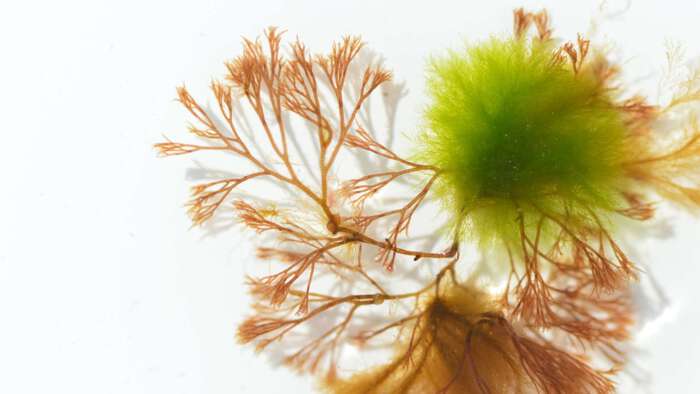
This one-week course at Espegrend Marine Research Field Station introduces modern methods in macroalgal taxonomy and phylogeny. Through lectures, fieldwork and lab exercises with international experts, students learn to collect, analyse and classify macroalgae using morphological and molecular approaches.
Aimed at PhD students working with environmental DNA and marine biodiversity, this course focuses on how to assess and supervise the research of others. Organised by the University of Oslo (UiO) and Universidade Federal do Pará (UFPA) in collaboration with BIOCORE, it combines a preparatory module in Norway with an intensive module in Brazil, where participants practice supervision and feedback with MSc students.
This MSc course, held in Bragança in northern Brazil, brings together students from Norway and Brazil to use environmental DNA (eDNA) to monitor marine fisheries and fish farm health. Bragança’s proximity to fish markets, mangroves, and productive coastal waters with active fisheries and aquaculture makes it an ideal living laboratory for this course. The course combines hands-on metabarcoding training with a strong focus on intercultural collaboration, preparing students for work in international biodiversity research and management.
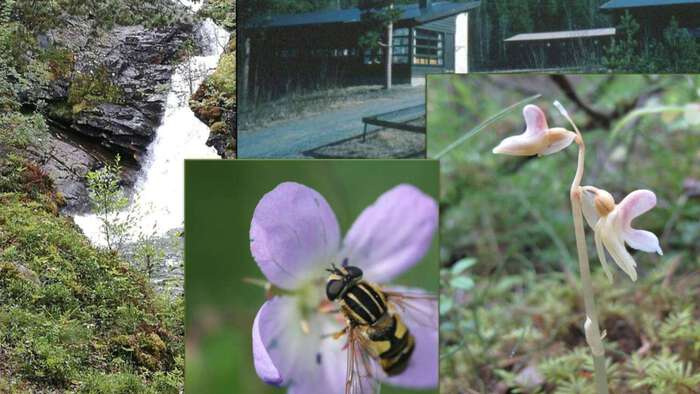
Gain hands-on experience with identifying boreal and Arctic flowering plants in one of Northern Norway’s richest botanical areas. This intensive field course at Skibotn Field Station combines excursions, applied taxonomy, and specimen preparation for museum collections, and is organised by UiT The Arctic University of Norway with support from the Photosyntech Research School and BIOCORE.
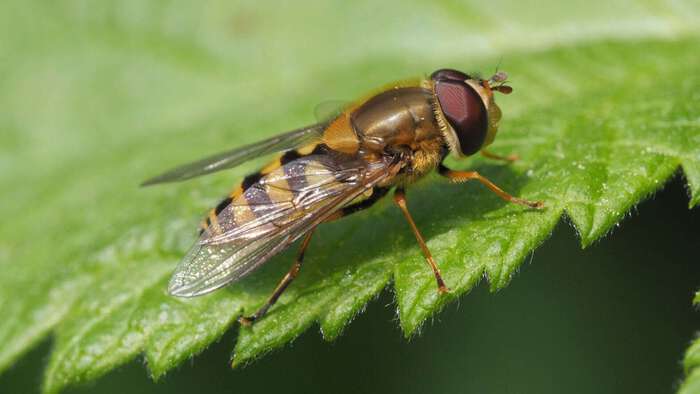
This one-week course introduces the biosystematics, ecology and applied science of European flies and midges (Diptera). Through fieldwork, lab exercises and lectures at Station Linné on Öland, participants gain practical skills in sampling, preserving, identifying and analysing Diptera.
Organised in the framework of the MARLIN project, and in collaboration with BIOCORE, this course offers a practical introduction to DNA barcoding in biodiversity research and management.
This course provides an introduction to DNA metabarcoding as a tool for biodiversity assessment, with a particular focus on data processing and interpretation. Through a combination of lectures and computer-based practicals, participants will learn how to analyse metabarcoding data using Obitools and R, and gain insight into experimental design, sampling and sequencing strategies. The course is organised by the Arctic University Museum of Norway (UiT) in collaboration with the MARLIN project and BIOCORE.