About the course
Doing your own science is only one aspect of being a successful researcher. Another aspect is the ability to assess and supervise the research of others. Effective assessment and supervision skills are needed not only in academic positions, but also in positions at research institutes and in private companies.
This PhD course provides international training through a two-part structure: a preparatory module in Norway (May) and a practical module in Brazil (late August–early September).
In the first module, held in Norway, students will learn to give constructive feedback and to provide effective, supportive research supervision. They will also review the environmental DNA sequencing methods that will be used in Brazil. Teaching will include lectures, readings, and practical exercises where students practise supervision and feedback in realistic scenarios.
In the second module, held in Brazil, the PhD students will put into practice the training received in Norway through direct assessment and supervision of MSc students working on metabarcoding projects focused on protistan parasites, toxic microalgae, or fish diet. These MSc students will be enrolled in the BIOCORE/UiO/UFPA course “Use of Environmental DNA to Assess Marine Fishery and Fish-farm Health.”, and the PhD students’ supervision and assessment will form an integral part of the teaching those MSc students receive in that course.
Learning outcomes
After completing the course, students will
- Increase their knowledge of the theory and practice of assessment through productive feedback and gain direct experience providing such feedback to MSc students.
- Increase their knowledge of the theory and practice of research supervision and gain direct experience supervising MSc students.
- Refresh their knowledge of DNA-based methods used to assess the diversity of fish parasites, toxic microalgae, and fish diet in and around farmed fish (i.e., students should already have a strong background in metabarcoding).
- Refresh their knowledge of communication skills through oral presentations.
- Increase their knowledge about the work and hiring practices of Brazilian and Norwegian environmental and fish-health research institutes and companies.
Schedule
A detailed schedule will be provided to admitted PhD students before the course starts.
Preparatory module – Norway
1–9 May 2027, plus travel days before and after
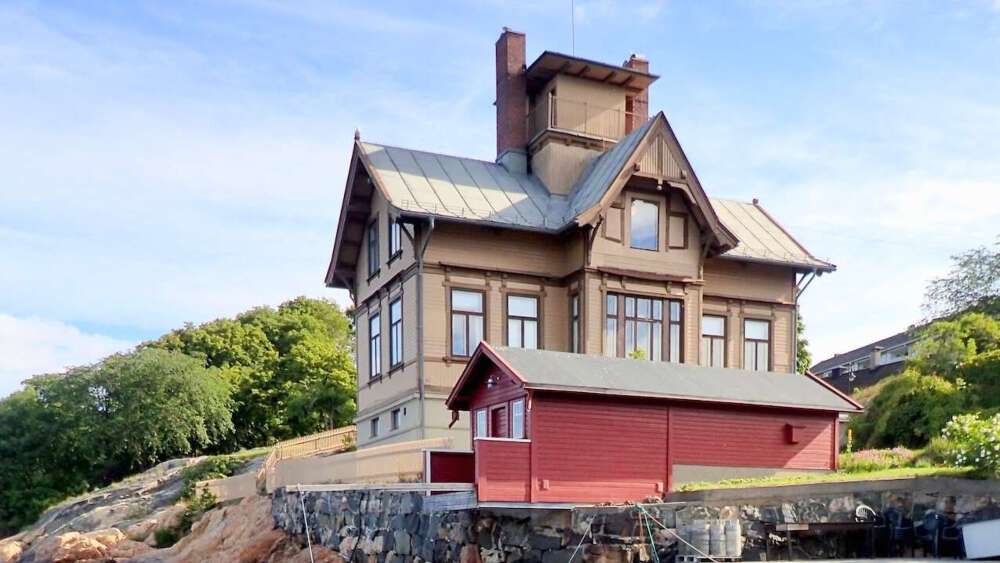
Location: The University of Oslo’s marine research station in Drøbak
- Lab sessions on amplification of pre-collected DNA, MinION sequencing, and basic bioinformatics.
- Lectures, readings, and group discussions on supervision and assessment.
- Short written reflections on supervision and assessment.Planning of the Brazil module and how PhD students will supervise and assess MSc students in “Use of Environmental DNA to Assess Marine Fishery and Fish-farm Health.”
Supervision and assessment module – Brazil (integrated with the MSc course)
30 August to 9 September 2027, plus travel days before and after
Location: UFPA’s marine campus in Bragança (with additional teaching in the field and at the hotel)
- Participate in all MSc activities (field sampling, lab work, and data analysis).
- Take the lead in guiding and supervising MSc students’ work within these shared activities.
- Provide structured feedback on MSc students’ projects and presentations as part of the MSc course teaching.
Target group
PhD students working with, or planning to work with, environmental DNA and marine biodiversity who are interested in developing their skills in assessment, supervision, and communication.
Credits
10 ECTS
Assessment
Assessment will be constructively aligned with the learning outcomes by using written and verbal productive feedback at all stages of the course. Students will be required to write reflection statements about their developing approaches to assessment and research supervision.
Teachers
- Micah Dunthorn, University of Oslo
- Adriana Lopes dos Santos, University of Oslo
- Rachelle Esterhazy, Oslo Metropolitan University
- Jonathan Ready, Universidade Federal do Pará
- Cristiana Maciel, Universidade Federal do Pará
- Quentin Mauvisseau, University of Oslo
- Cintia Oliveira Carvalho, Universidade Federal do Pará
Admission and application
Number of students
- 4 Brazilian PhD students
- 2 Norwegian PhD students
Eligibility and prerequisites
- PhD students in biology, marine biology, ecology, bioinformatics, or related fields.
- Background in metabarcoding and environmental DNA methods.
How to apply
Applications have not opened yet.
Brazilian PhD students must register through UFPA.
Selection process
Applicants will be selected based on academic background, relevance of their research project, and motivation for participating in the course.
Financial support
Brazilian PhD students (registered through UFPA) and UiO PhD students will have their travel and accommodation costs covered. Limited financial support is available for other Norwegian PhD students.
Contact
Micah Dunthorn for practical matters.
BIOCORE Membership
We encourage all course applicants to become Associate Members of BIOCORE to receive updates and information about future events.
Not a member yet? Become a BIOCORE member here.