The ÉGUA project will employ a combination of field sampling and advanced molecular methods to assess the diversity of apicomplexan parasites in tropical forests near Belém, Brazil. It will enhance our bioinformatics capabilities to analyse environmental sequencing data of tropical apicomplexan parasites. ÉGUA will use long-read metabarcoding to test the hypothesis that forests more heavily impacted by mining will exhibit fewer heteroxenous haemosporidians compared to monoxenous gregarines. The project will employ novel ddPCR methods to investigate the hypothesis that individual arthropods from more degraded sites will host higher abundances of monoxenous gregarines. Additionally, ÉGUA will implement cost-effective, real-time biodiversity monitoring to determine whether the protistan parasite communities identified using more intensive laboratory-based methods can also be detected through simpler field-based methods. Together, these goals will allow us to evaluate whether protistan parasites of arthropods can serve as indicators of the health of tropical forests.
ÉGUA Ecosystem Guardians - protistan parasites as indicators of ecosystem health
The ÉGUA project aims to use protistan parasites (apicomplexans) that infect arthropods to develop a parasite indicator index capable of easily evaluating environmental sequencing data and inferring the health of tropical forests in Brazil affected by mining and other human-induced stressors.

Contact
Participants
-
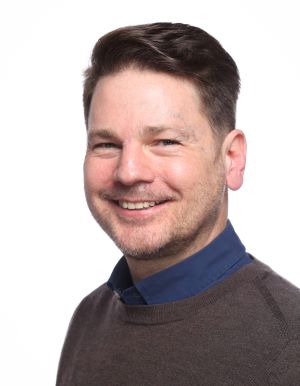
-
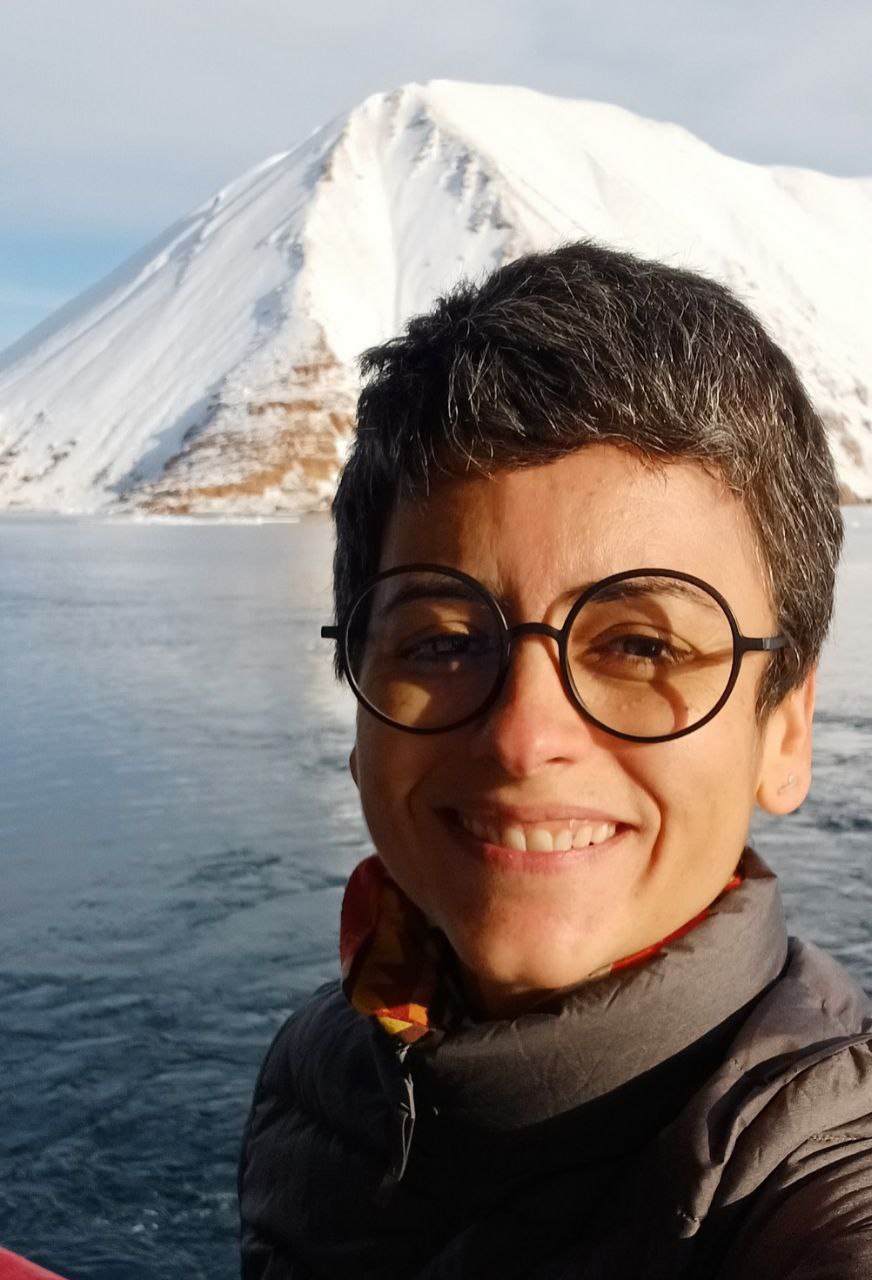 Adriana Lopes dos Santos University of Oslo
 -
 Arild Johnsen University of Oslo
 -
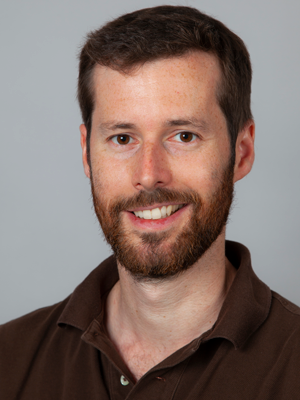 Quentin Mauvisseau University of Oslo
 -
 Isabelle Ewers University of Oslo
 -
 Audun Schrøder-Nielsen University of Oslo
 -

-
 Aisha Carolina Cei Amaral Universidade Federal do Pará
 -
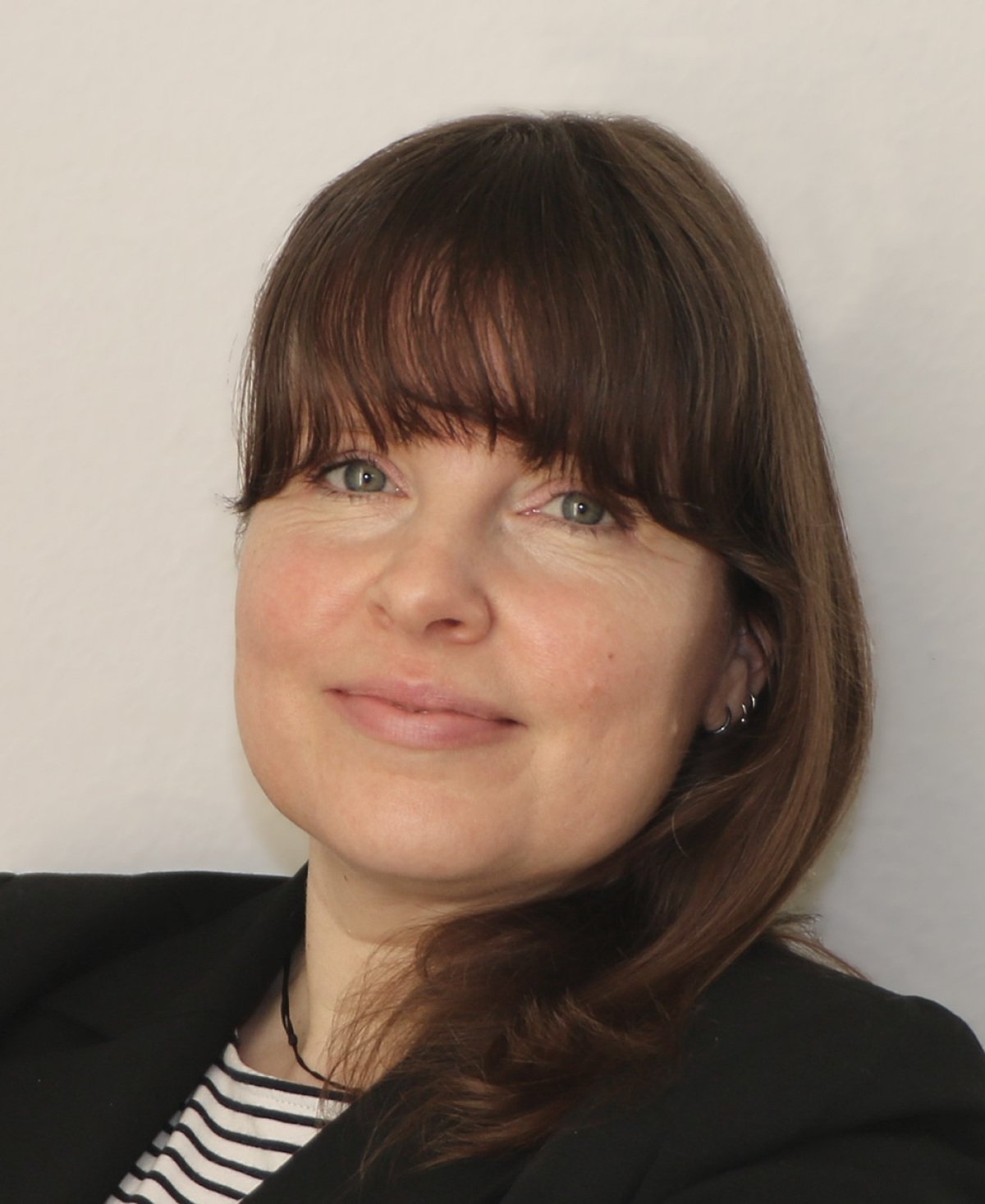 Sonja Rückert University of Duisburg-Essen
 -
 Frédéric Mahé CIRAD
 -
 Mahwash Jamy Uppsala University
 -
Ivoneide M. da Silva Universidade Federal do Pará
-
Sérgio Marcelo Rodríguez Málaga Universidade Federal do Pará
-
José Antonio Marin Fernandes Universidade Federal do Pará
-
Fernando Carvalho Filho Museu Paraense Emílio Goeldi
-
 Rogerio Rosa da Silva Museu Paraense Emílio Goeldi
 -
Alexandre Bragio Bonaldo Museu Paraense Emílio Goeldi
-
 Felipe Polivanov Ottoni Universidade Federal do Maranhão
Funding
This project is funded by the Biodiversity Research Consortium Brazil-Norway (BRC).
Published Feb. 26, 2026 3:00 PM
- Last modified Oct. 8, 2026 7:53 PM