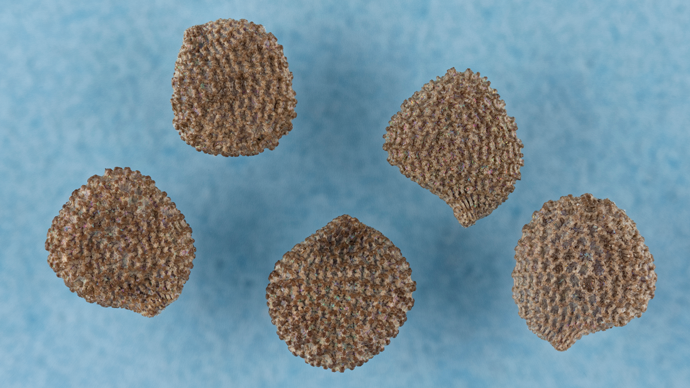
Our species are becoming extinct at a rapid rate across the globe. In Norway alone, more than 400 plant species have been assessed as threatened. Through international agreements, Norway has committed to conserving these species. The National Seed Bank and ex situ conservation activities at the Botanical Garden of the Natural History Museum in Oslo, as well as at Norway’s other botanical gardens, play an important role in this work.
What does ex situ and in situ mean?
Ex situ conservation: A species is conserved outside its natural habitat,e.g. in a seed bank or as part of a living collection in a botanical garden.
In situ conservation: A species is conserved where it occurs naturally, e.g. by protecting areas or through habitat management measures.
What is a seed bank?
The term literally means a store of viable seeds. In nature, there is a large seed bank in the soil. In this context, a seed bank means that seeds are kept in an artificially dormant state in a freezer. Seeds stored in cold, dry conditions can remain viable for a long time.
We have some knowledge of which seeds can be stored over long periods, but there are still many Norwegian species for which we lack data. The Millennium Seed Bank (MSB), Royal Botanical Gardens, Kew, at Wakehurst, UK, is the world’s leading international seed bank for wild plant species.
Can all seeds from all wild plants be stored in a seed bank?
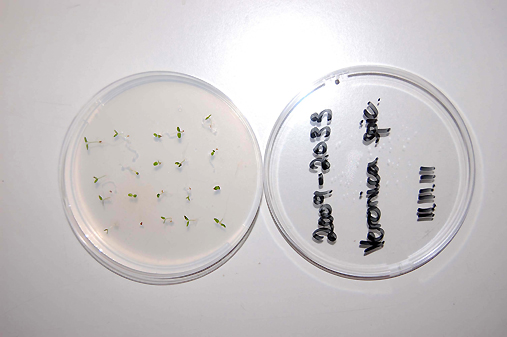
No. Seeds from different species vary in their longevity. Some may remain viable for many decades, while others are far less long-lived. Some plants produce seeds that must germinate within the same year they are formed.
Most Norwegian seeds are orthodox, meaning that they tolerate drying to a low moisture content and can be stored frozen over time. However, we have not yet tested all seeds, and we still lack knowledge about how long many seeds can be stored. In addition to species-specific differences in storage life, seed quality and how thoroughly the seeds have been dried are also important for their long-term survival in a seed bank.
Which species are collected in the Norwegian National Seed Bank?
The National Seed Bank mainly contains seeds from threatened plant species—that is, species included in the Norwegian Red List for Species.
What does it mean for a species to be red-listed?
A Red List is an overview of plant and animal species that are, in one way or another, threatened with extinction. Today, over 400 vascular plant species are included in the Norwegian Red List. They are assigned to several categories according to their level of threat. The first four categories listed below are considered threatened categories:
- RE = RegionallyExtinct
- CR = CriticallyEndangered
- EN = Endangered
- VU = Vulnerable
- NT = NearThreatened
- DD = Data Deficient
- LC = LeastConcern
Official ex situ conservation requires thorough documentation of where and when the plant material was collected. To qualify as an official seed bank, the collection must also be maintained. This means that seed viability must be tested every ten years, and that seeds must be replaced or supplemented if viability is too low.
The National Seed Bank of Norway will:
- function as an easily accessible gene bank for threatened and vulnerable plant species;
- provide a basis for restoration work in nature; and
- include at least 75% of the country’s threatened species.
The National Seed Bank contains seeds from threatened plant species from across Norway. Many people contribute to the collective effort of collecting seeds: staff from the Natural History Museum and the Botanical Garden in Oslo, botanists from Norway’s five other botanical gardens—in Kristiansand, Stavanger, Bergen, Trondheim and Tromsø—and plant recorders from the Norwegian Botanical Association.
A seed collection should reflect the variation within the population from which the seeds are collected. We ensure this as follows: if,e.g. 25 individuals of a species are growing at a site, we take a few seeds from each individual and place them in the same envelope so that they are mixed. We do not collect all the seeds from three individuals while overlooking the other 22, as this would not provide a collection with the desired variation.
These are rare species, and seed collecting must never compromise the species’ ability to reproduce at its natural site. Every seed collection is documented in a database, including the name of the collector, locality, habitat, coordinates, altitude, the number of individuals sampled and the number of seeds collected. We follow specific guidelines and approval procedures for seed collection. If the plants grow in a protected area, additional approval from the relevant management authority is required.
Through the Convention on Biological Diversity, Norway has made a political commitment to achieving the 2020 targets of the Global Strategy for Plant Conservation (GSPC). Norway works to conserve plant species in situ, at their natural sites, as well as ex situ, meaning that species are conserved outside their natural habitats—e.g. in a seed bank or in living collections at a botanical garden.
The following two GSPC targets are relevant to the ex situ conservation of threatened Norwegian plant species in Norway’s botanical gardens:
Target 8: At least 75% of threatened wild Norwegian plant species are conserved in ex situ collections, preferably in the country of origin, and at least 20% of plant species are available for recovery and restoration programmes.
The Botanical Garden aims to conserve seeds from five geographically distinct populations of each collected species in order to capture genetic variation. The Garden also aims to increase the number of species represented by living plants in the Botanical Garden.
Target 14: The importance of plant diversity and its conservation is communicated through education and public outreach.
Working together for conservation?
Work on the ex situ conservation of threatened Norwegian plants has begun. Many organisations and authorities contribute to the conservation of threatened wild Norwegian plant species:
- the Network of Botanical Gardens in Norway;
- the Norwegian Environment Agency (Miljødirektoratet);
- the County Governors’ offices (Statsforvalterne);
- the Norwegian Botanical Association (Norsk BotaniskForening) and its network of plant recorders.
Action plans and scientific background documents are being developed for a limited selection of priority species, red-listed species and habitat types, but much work remains to be done.
Responsible authority for scientific background documents: Norwegian Environment Agency
What is the seed bank of Svalbard?
The National Seed Bank at the Natural History Museum should not be confused with the seed vault in Svalbard, even though the terms may sound similar.
The Svalbard Global Seed Vault is an international seed bank for the world’s crop diversity. It conserves seeds from cultivated plants and their wild relatives. The purpose of the Seed Vault is to safeguard the world’s plant genetic resources for food and agriculture by providing free secure backup storage for seeds from seed banks around the world.
The Nordic Genetic Resource Center (NordGen) is responsible for the day-to-day operation and administration of the Svalbard Global Seed Vault. The database containing information about all seed samples in the Seed Vault is available here: