A beautiful week at Espegrend
Team NorDigBryo has just finished a one-week workshop at the marine station belonging to the University of Bergen. The field station is located at Espeland by the Raunefjord in scenic surroundings, and with good facilities for carrying out laboratory work. And there was definitely a lot of lab work involved!
Workshop + enthusiastic people = match made in heaven
We had invited the international bryozoan experts Joanne Porter and Paul Taylor to take part in the workshop, and they helped us a lot with identifying the bryozoans, but also contributed a lot of relevant information and facts about overall bryozoan taxonomy and other relevant subjects!
The rest of the team consisted of two master's students (Maria and Terese), a former master's student (Tine), the UiB group (Katrine and Jon), the NTNU group (Torkild and Aina) and the Oslo group (Mali and Lee Hsiang).
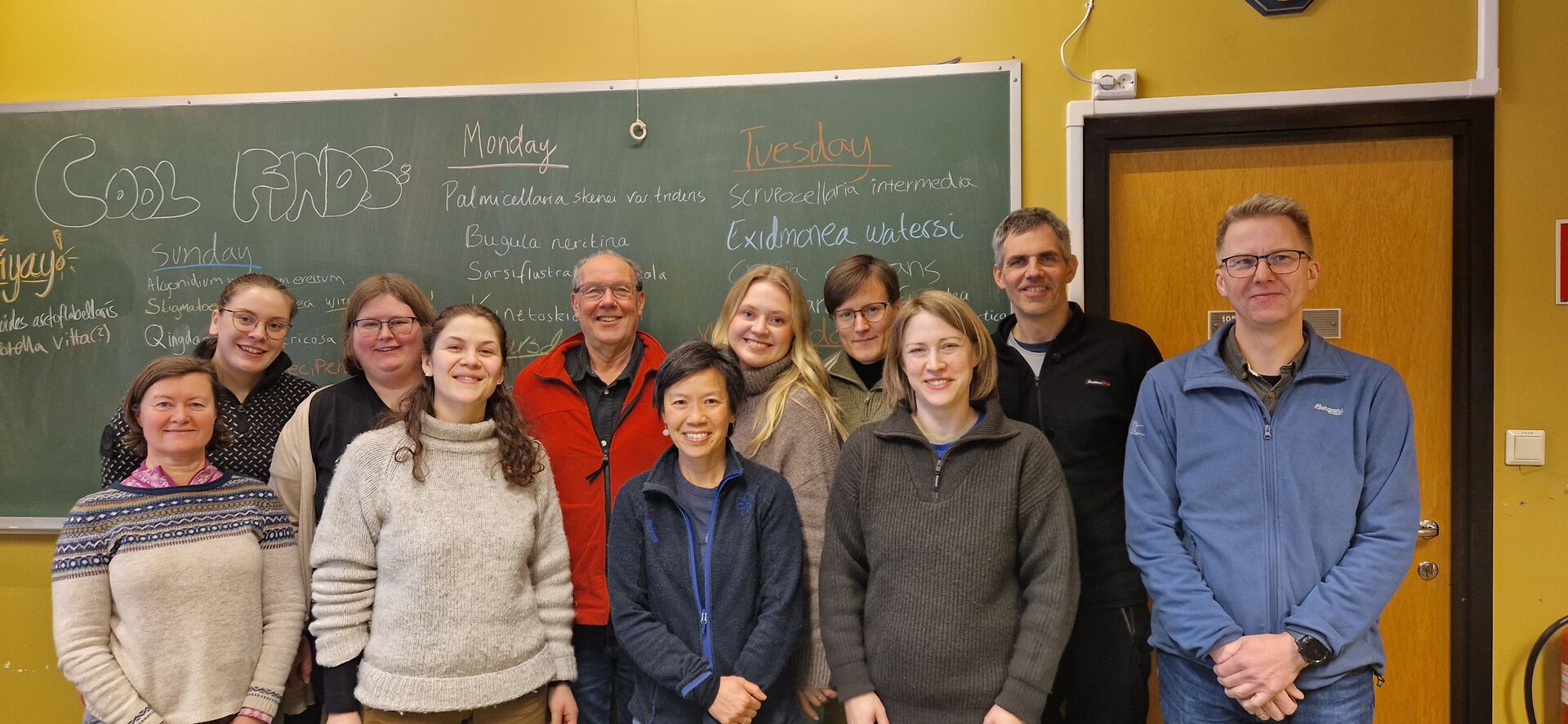
What was up with the weather in Bergen?
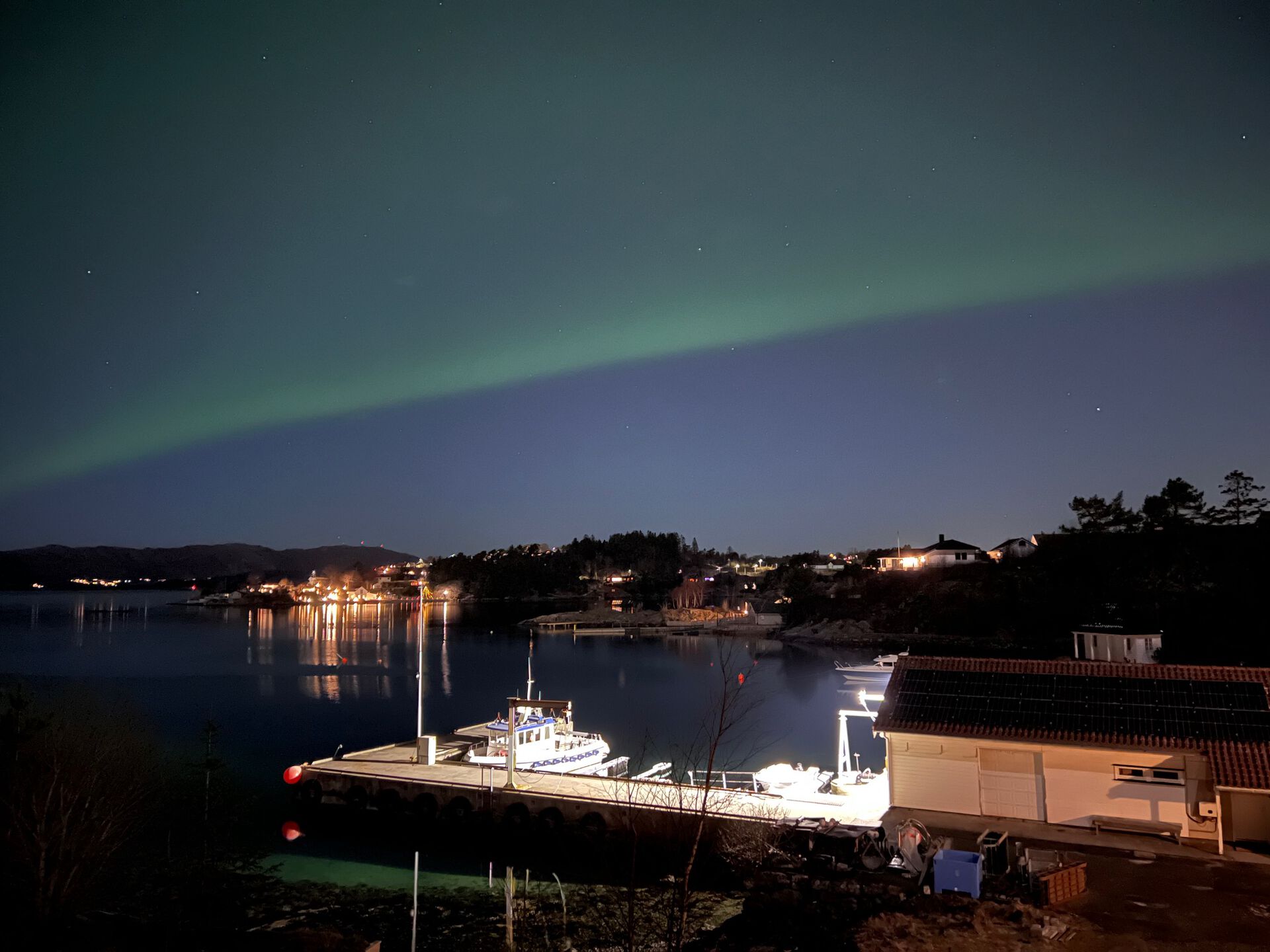
The weather in Bergen is not known for being the best (It's actually one of the rainiest cities in Europe), but apart from one day of snow, we actually had sunny weather all week! It definitely made it easier to choose to go for a walk to stretch our legs in between all the lab work, and there was a nice walking path in a woodland area near the station that was used frequently. Some of us were quite lucky and got to see the northern lights some of the evenings.
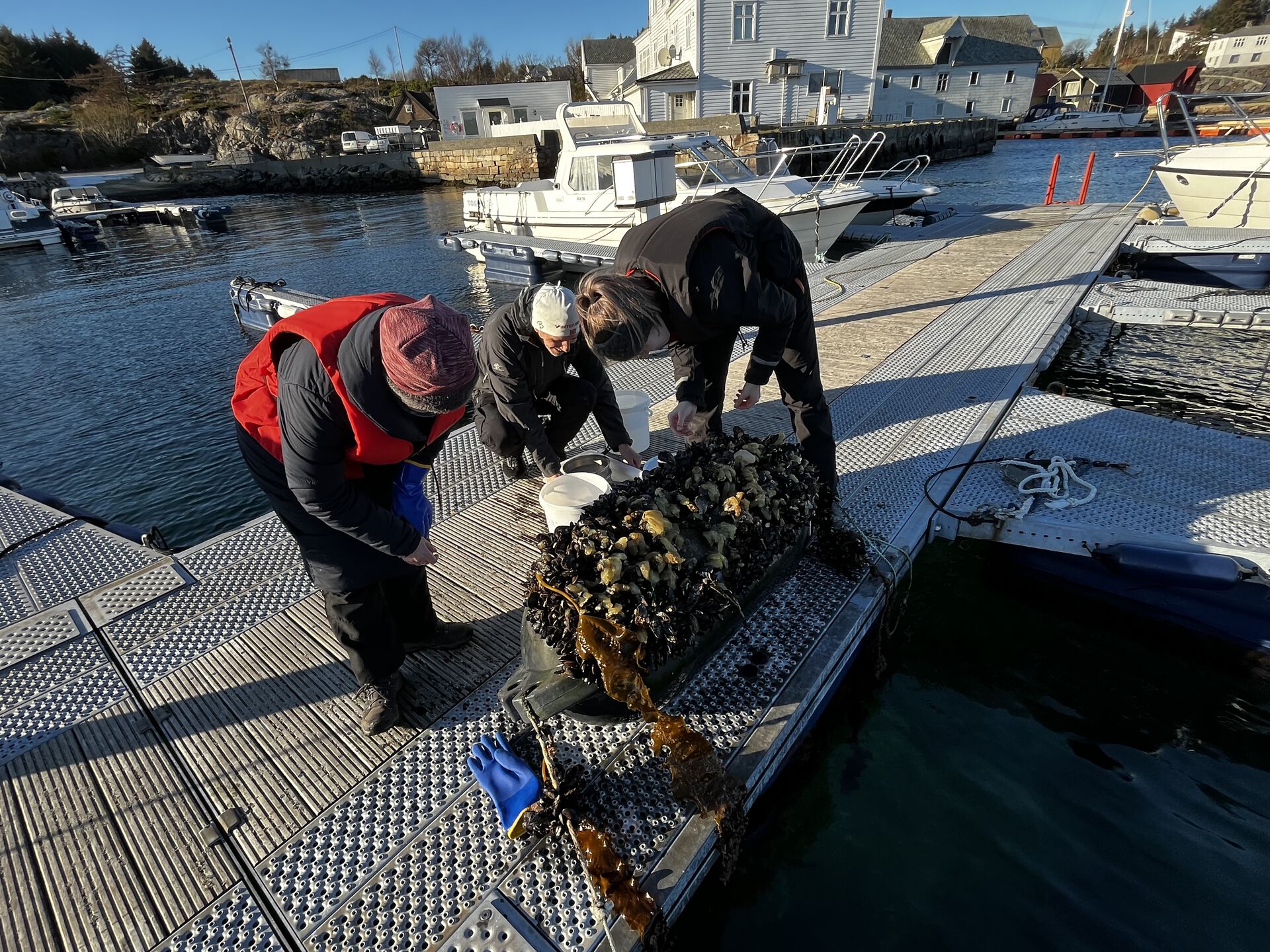
Several people also had the opportunity to do some fieldwork. We went to some local harbors/marinas to look for invasive species, which we have focused on during this project. Harbors and marinas are hotspots for invasive bryozoans as they can be transported by boats, so here you usually find a number of alien species.
So how did it go?
During the workshop we have looked and sorted through huge amounts of material collected from Norwegian waters. It has resulted in over 700 new registrations for the project, and at least one plate (if not two) of tissue samples to be sent for barcoding/genome skimming! In addition, we have made plans for the last year of the project, and there are several exciting things that are planned (so stay tuned)!
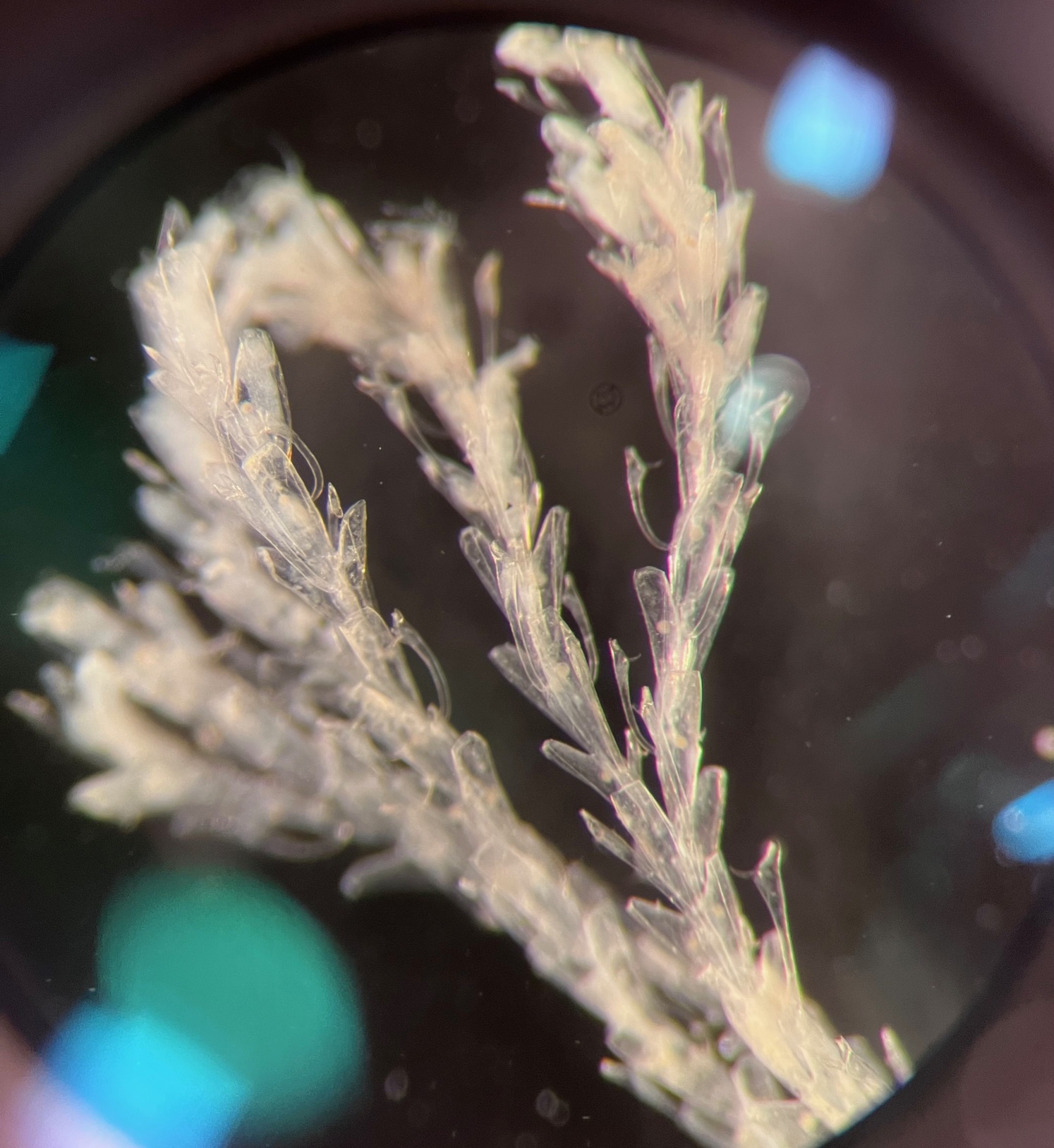
We have most likely found more new species for Norway, but we have to image them with an electron microscope (and get their DNA-sequences) in order to properly confirm their identity. The list of names that have to be added to the species name list/Nortaxa is constantly growing!