About the course
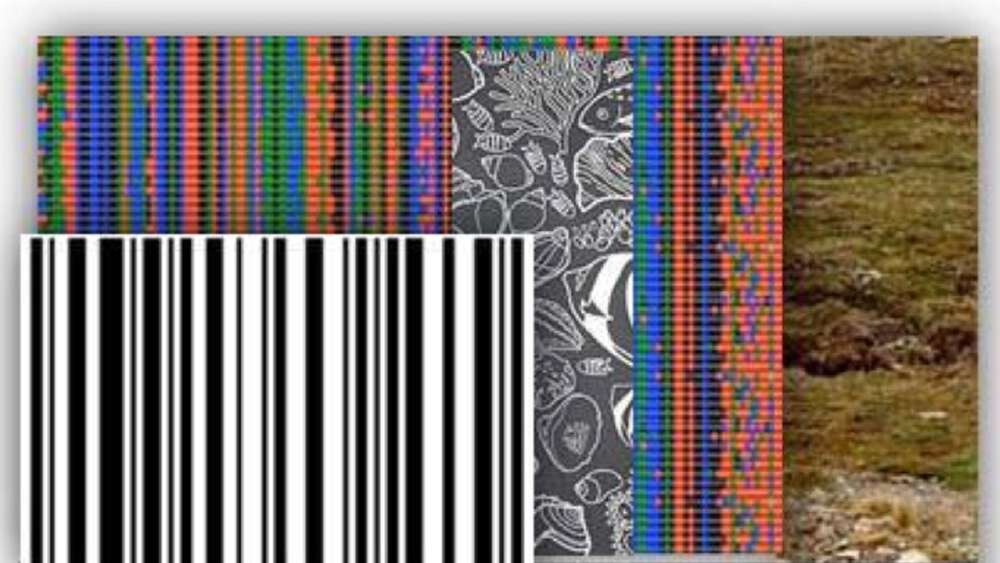
DNA metabarcoding is a rapid method of biodiversity assessment utilising environmental DNA (DNA obtained from sediments, soils, water, etc.) and combines two technologies: DNA-based species identification and high-throughput DNA sequencing. While working on bioinformatic analyses using Obitools and R/RStudio, we will also run demonstrations of field sampling, wet-lab design and data processing for nanopore sequencing technology.
The course includes lectures on the theoretical background and applications of DNA metabarcoding, including more subject-specific topics such as sedimentary DNA, diet analyses and paleoDNA studies, as well as hands-on computer-lab sessions on data processing and bioinformatic analyses of DNA metabarcoding data. At the end of the teaching programme, we organise round-table Q&A sessions for more in-depth discussions of methodological and analytical aspects.
Learning outcomes
After completing the course, the students will be able to:
- Improve their analytical skills in using molecular tools and multivariate data analyses for biodiversity assessment, animal diet assessment and reconstruction of palaeocommunities.
- Explain the principles of molecular identification of taxa from environmental DNA samples, including experimental set-up for DNA metabarcoding: field sampling, primer design, wet-lab efficiency and bioinformatics principles.
- Perform basic analyses of raw sequence data in a UNIX environment, including read merging, filtering, demultiplexing and taxonomic assignment.
- Apply the OBITools package and R/RStudio for processing data produced with Illumina and Oxford Nanopore Technologies (ONT) sequencing platforms.
Language
English
Credits
This course is equivalent to 3 ECTS.
Participants wishing to acquire 5 Credits are invited to join Bio-8025 for additional on-line classes covering DNA barcoding and phylogenetic reconstruction for species identification and discovery followed by a report presentation for assessment of the second part.
Assessment
A written course report on a provided case study with pass/fail grading.
BIOCORE will issue certificates with ECTS information for participants who successfully pass the exam, and confirmations of participation for those who choose not to take the exam.
Teachers
- Eric Coissac, LECA, Grenoble
- Fredéric Boyer, LECA, GrenoblePierre Taberlet, LECA, Grenoble (to be confirmed)
- Inger G. Alsos, The Arctic University Museum of Norway, UiT
- Youri Lammers, The Arctic University Museum of Norway, UiT
- Dilli Rijal, The Arctic University Museum of Norway, UiT
- Lucas Dane Elliott, The Arctic University Museum of Norway, UiT
- Galina Gusarova, The Arctic University Museum of Norway, UiT
Admission and application
Number of students
Maximum 20 students.
Course fee
There is no course fee.
Eligibility and prerequisites
Students and non-student participants from any university/research institute can apply.
Associate and Full Members of BIOCORE will be given priority. Applicants with relevant research topics will also be prioritised.
How to apply
The link to the registration site will be provided
Selection process
Participants will be selected based on scientific, educational and/or professional motivation and the relevance of the course for their career development. Associate Members and members of BIOCORE research school will be given priority.
BIOCORE Membership
We encourage all course applicants to become Associate Members of BIOCORE to receive updates and information about future events.
Not a member yet? Become a BIOCORE member here.
Financial support
Participants must cover and organise their own travel to and stay in Tromsø.
Contact
- Galina Gusarova (BIOCORE) – for more information about the course and local logistics